
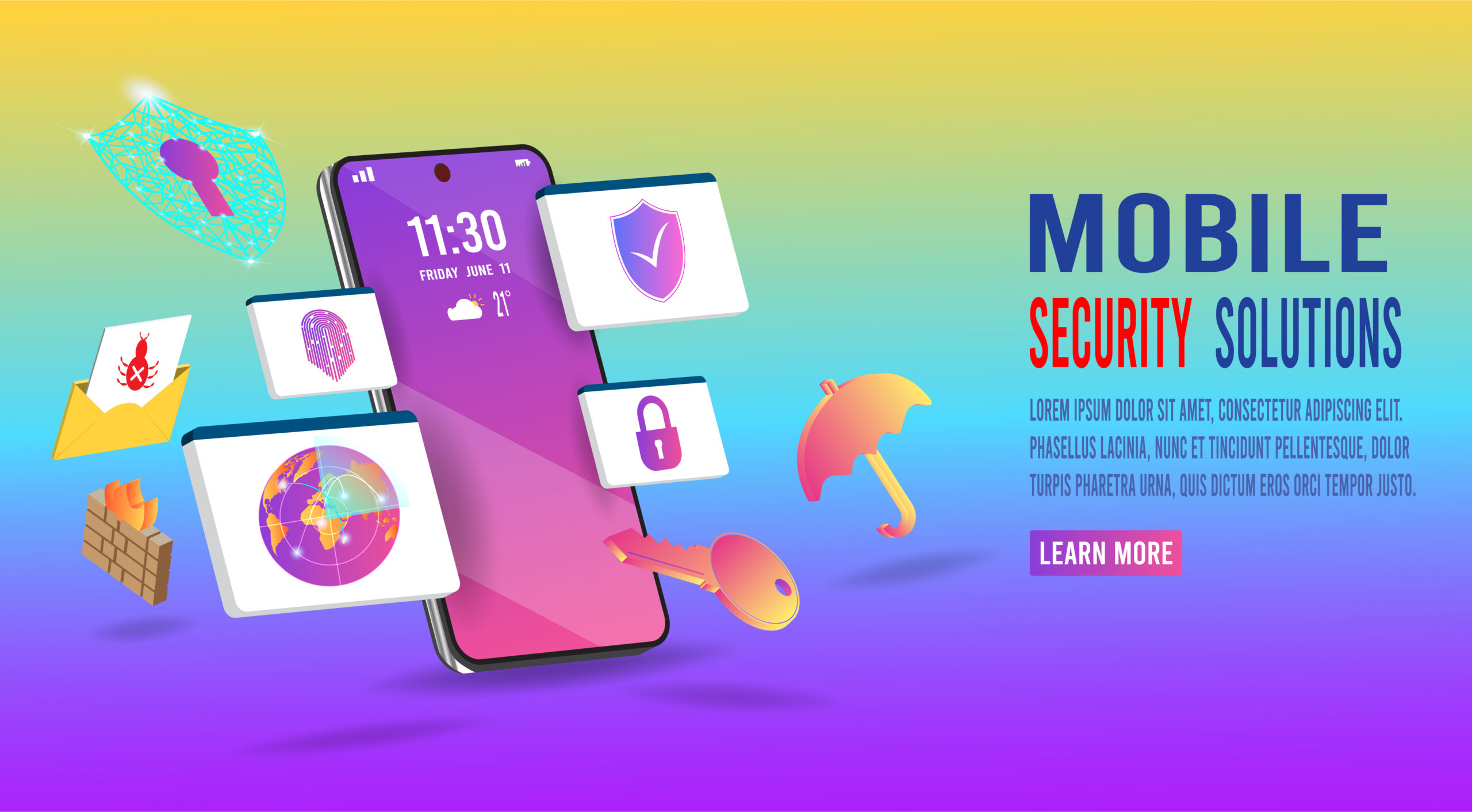
Smartphones have become indispensable tools for communication, work, and entertainment, but their widespread use also makes them prime targets for cyber threats. Protecting sensitive data and maintaining privacy requires a comprehensive approach to smartphone security. Implementing effective solutions helps prevent unauthorized access, malware infections, and data breaches.
A core component of smartphone security is device encryption. Encryption transforms data into unreadable code, making it accessible only with the correct credentials. Modern smartphones often include built-in encryption features that safeguard messages, photos, and stored documents. Activating these features ensures that even if a device is lost or stolen, the information remains protected.
Strong authentication methods are equally important. Passwords, PINs, and biometric options such as fingerprint or facial recognition reduce the risk of unauthorized access. Multi-factor authentication adds another layer of protection by requiring an additional verification step, making it harder for attackers to bypass security measures.
App management plays a critical role in maintaining a secure device. Installing applications only from trusted sources, reviewing permissions, and regularly updating software help prevent malware infections and vulnerabilities. Security-focused app stores and verification tools can also assist in identifying potentially harmful programs before installation.
Regular software updates are essential to smartphone security. Operating system patches often include fixes for known vulnerabilities that cybercriminals may exploit. Ensuring devices are running the latest updates minimizes risk and enhances overall performance. Users should enable automatic updates when possible and stay informed about security alerts from manufacturers.
Additional protective measures include network safety and remote management. Avoiding unsecured public Wi-Fi or using virtual private networks (VPNs) can reduce exposure to interception or hacking. Enabling remote tracking, locking, or wiping features allows users to safeguard data if a device is lost or compromised.
Educating users about potential threats is also vital. Awareness of phishing attacks, suspicious links, and social engineering tactics empowers individuals to make informed decisions and avoid common security pitfalls. Combining technical safeguards with user vigilance provides the most effective protection.
In conclusion, a comprehensive smartphone security solution combines encryption, strong authentication, app management, software updates, and network safety. By implementing these strategies and remaining aware of potential threats, users can protect their personal and professional information, ensuring that mobile devices remain secure in an increasingly connected digital environment.