
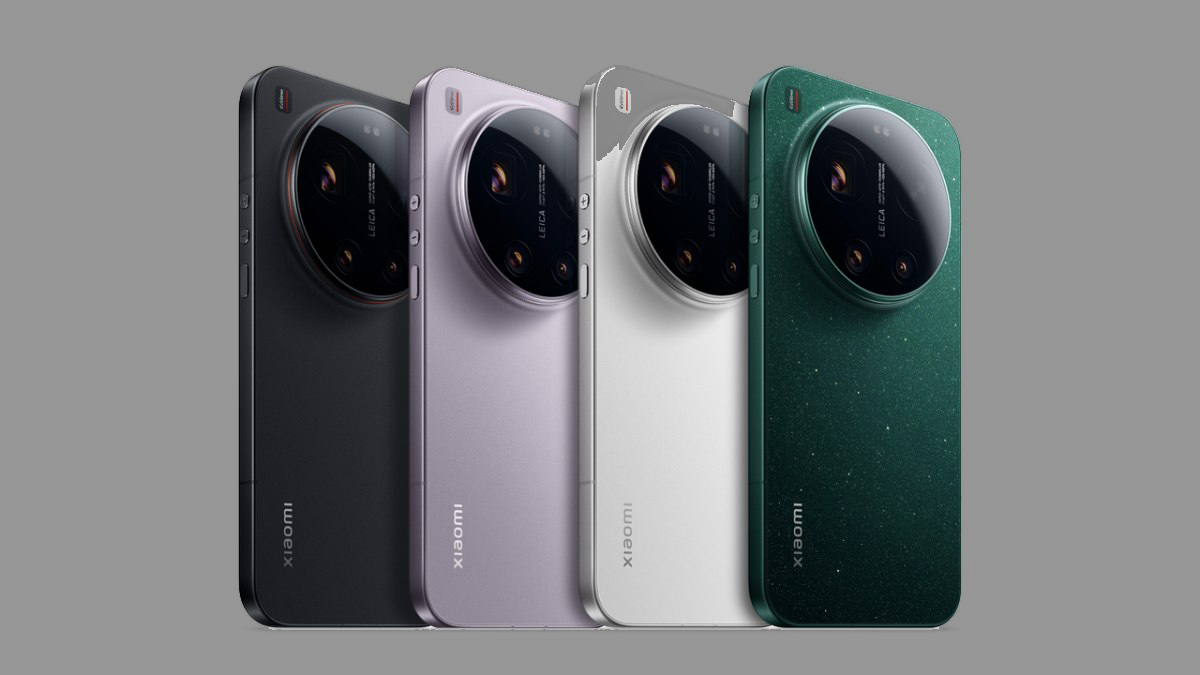
The smartphone market is facing renewed pressure as pricing trends for high-end devices continue to climb. Recent discussions surrounding the next flagship from Xiaomi, the Xiaomi 18 Ultra, suggest that consumers may need to prepare for a higher price point than previous generations.
Industry analysts point to increasing production costs as one of the main drivers behind this potential shift. Advanced camera systems, improved sensors, and more powerful image processing hardware all contribute to the rising bill of materials. As smartphone photography becomes more competitive, manufacturers are investing heavily in innovation to stand out in the premium segment.
The Ultra series has traditionally been positioned as a photography-focused flagship line, and expectations for the next iteration are particularly high. However, the addition of more sophisticated imaging technology such as larger sensors, enhanced zoom capabilities, and AI-powered processing could push retail pricing upward.
If the rumored price increase becomes reality, it may also affect the broader flagship smartphone market. Competing brands could face similar cost pressures, leading to a general rise in pricing across premium camera phones. This shift may challenge consumers who have grown accustomed to incremental upgrades at relatively stable prices.
At the same time, manufacturers are attempting to balance performance and affordability. Some strategies include optimizing supply chains, using alternative materials, and improving software based imaging enhancements to reduce reliance on expensive hardware. However, these adjustments may not fully offset the cost of cutting-edge camera systems.
Another factor influencing pricing is global demand for high resolution mobile photography. Social media platforms, content creation, and mobile filmmaking continue to push users toward devices with professional-level imaging capabilities. This demand encourages brands to prioritize camera innovation, even if it increases costs.
Despite concerns about rising prices, the premium smartphone segment remains highly competitive. Brands continue to compete not only on hardware specifications but also on ecosystem features, software experience, and long-term support.
Ultimately, the expected changes surrounding the Xiaomi 18 Ultra highlight a broader industry trend: flagship smartphones are becoming more advanced, but also more expensive to produce. Whether consumers are willing to absorb these increases will shape the future direction of the high end mobile market.